

Generative AI is quickly becoming one of the most talked-about advancements in technology, and for good reason. It’s revolutionizing industries, transforming the way we create, and challenging the boundaries of what machines are capable of. From generating art and writing to designing new products and crafting personalized experiences, the possibilities of generative AI seem limitless. But beyond the buzz and hype, what does it really mean for us, and why is it so essential to the future of innovation?
The Essence of Generative AI
At its core, generative AI is all about creating new content based on patterns learned from existing data. Unlike traditional AI, which is typically designed to analyze or classify information, generative AI can produce entirely new pieces of work — whether that’s text, images, music, or even code. It’s like having a creative partner that can brainstorm, invent, and suggest new ideas based on your input.
What makes this so exciting is the power it gives to both creators and businesses. Imagine being able to generate a piece of music that fits your exact mood or create a completely new product design without having to start from scratch. Generative AI doesn’t just assist in the creative process; it amplifies it, making the impossible seem possible and accelerating innovation in ways we could have only dreamed of a few years ago.
How It Works: The Magic Behind the Scenes
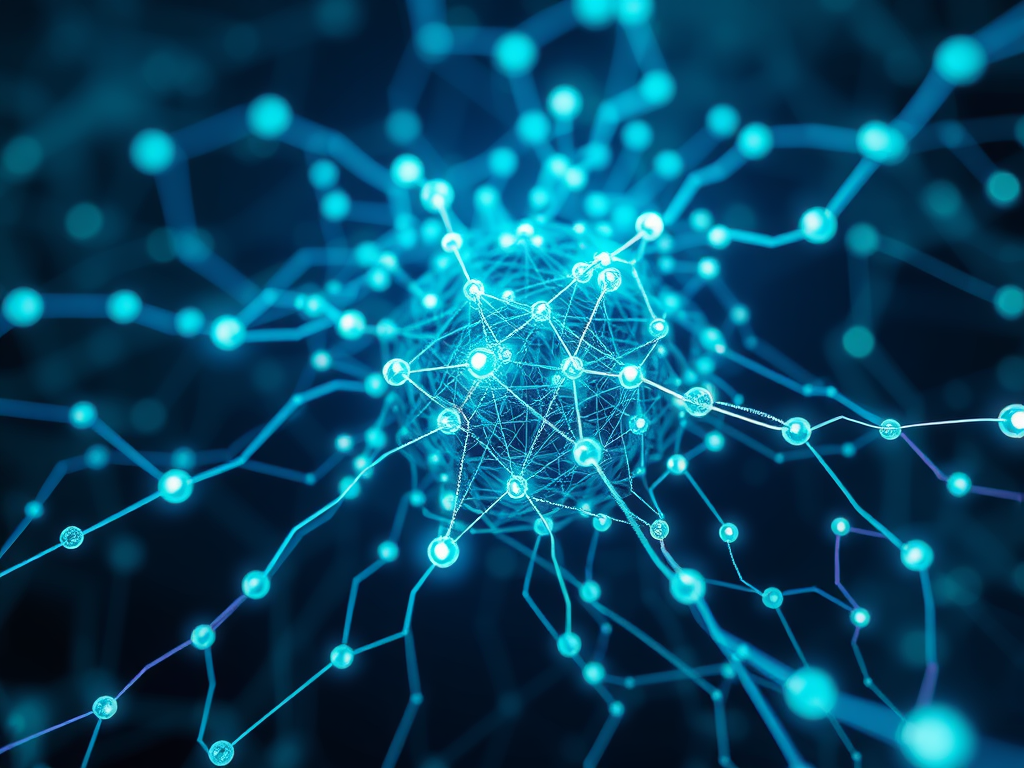
So, how does it all work? At the heart of generative AI are neural networks, which are modeled after the human brain’s ability to learn and recognize patterns. These networks are trained on massive datasets, learning the intricacies of the content they’re exposed to, whether that’s thousands of paintings, novels, or hours of video footage.
Once trained, generative models like Generative Adversarial Networks (GANs) or Variational Autoencoders (VAEs) can start producing new, original content based on what they’ve learned. The most exciting part is that these models get better the more they work, constantly refining their outputs to the point where it can be hard to distinguish AI-created content from something made by a human.
For instance, text-generation models like GPT-3 (which powers this conversation) can write articles, create poems, or even have a conversation. These systems don’t just regurgitate information—they craft responses that are contextually relevant and, in many cases, impressively coherent. The same applies to image-generation tools, which can create lifelike images from scratch, based on simple descriptions or even completely new concepts.
The Creative Revolution
Generative AI has the potential to ignite a creative revolution. Artists, musicians, writers, and designers can use these tools to expand their creative horizons and explore new possibilities. Take the world of art, for example. With AI models like GANs, artists can generate new styles of artwork, remix existing ones, or even explore completely new visual languages. For musicians, AI can compose entire pieces of music, blending genres or experimenting with sounds in ways that were previously difficult or impossible.
What’s truly remarkable is how generative AI can be a partner in creativity, not just a tool. It suggests, refines, and inspires. Instead of spending hours refining an idea, creators can now focus more on high-level conceptual work, letting the AI handle some of the technical aspects. This doesn’t replace the artist’s role; it amplifies their abilities, allowing them to push their creative boundaries in ways that feel almost magical.
Real-World Impact Across Industries
Generative AI isn’t just for artists or tech enthusiasts; it’s making waves in various industries and reshaping how businesses operate. In marketing, for example, AI can generate personalized content at scale—helping brands create targeted ads, social media posts, or email campaigns that resonate with individual customers. The ability to tailor messaging to a person’s preferences and behaviors is a huge advantage in today’s data-driven world.
In healthcare, generative AI is being used to design molecules for drug discovery. By simulating how different compounds might interact within the human body, AI can generate new drug candidates much faster than traditional methods. This has the potential to accelerate the discovery of life-saving treatments and even prevent diseases before they start.

The possibilities are endless when you consider the role generative AI could play in manufacturing, education, fashion, and beyond. Whether it’s designing custom products, creating personalized learning experiences, or developing innovative prototypes, AI can speed up the process, offer new perspectives, and bring creative solutions to problems that once seemed insurmountable.
The Ethical Challenges and Concerns
While the potential of generative AI is exciting, it’s not without its challenges and ethical concerns. One of the biggest issues is the potential for misuse. Deepfake technology, for example, allows users to manipulate video and audio to create realistic but fake content. This has raised concerns about misinformation, privacy, and security, especially as AI-generated media becomes more convincing and harder to detect.
Additionally, there are worries about the impact of AI on jobs, particularly in creative fields. Will AI replace human artists, writers, or designers? While generative AI can certainly assist in these roles, it’s unlikely to fully replace human creativity. Instead, it will change how work is done and how we approach creative problem-solving, but it requires a shift in mindset from “AI versus humans” to “AI as a tool for enhancement.”
Furthermore, there’s the question of intellectual property. Who owns the content generated by AI? If an AI creates an image based on a few simple instructions from a user, who gets the credit? These are important legal and ethical questions that society will need to address as generative AI continues to evolve.
Looking Toward the Future
Generative AI is still in its early stages, but its potential is already evident. As AI models continue to improve, we’re likely to see even more sophisticated applications that will transform the way we create and interact with technology. What’s clear is that AI is not just about replacing human work—it’s about enhancing it. It’s about augmenting human creativity and enabling us to do things we never thought possible.
The future of generative AI is incredibly exciting, and while there are challenges ahead, it’s clear that this technology will play a pivotal role in shaping the world of tomorrow. It’s time to embrace this new era of innovation, where the line between human and machine creativity continues to blur, and where new ideas, art, and solutions can emerge at the click of a button




 Patrick Redknap . BLOG